ultimate comparison of soft versus hard cat cases
When it comes to transporting your cat, choosing the right case is essential for ensuring their safety and comfort. In 2026, pet owners have a plethora of options available, primarily falling into two categories: soft cases and hard cases. Each type has its distinct advantages and disadvantages that cater to different needs. This article aims to provide a comprehensive comparison to help you make an informed decision.
Soft Cat Cases
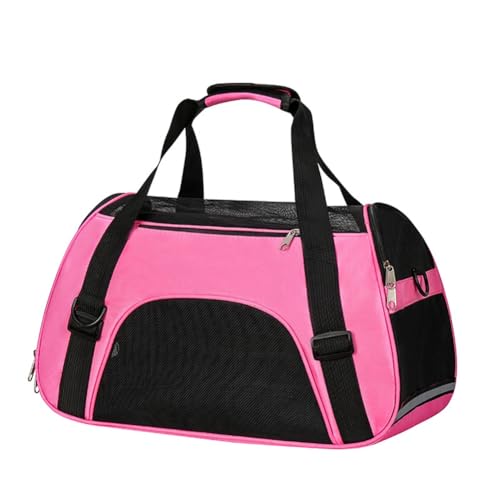
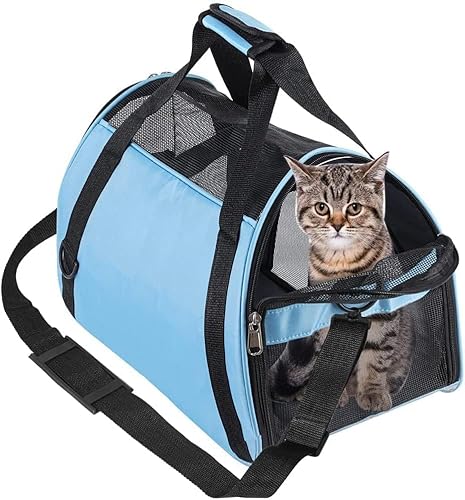
Soft cat cases, also known as soft-sided carriers, are made from fabric such as nylon or canvas. They are often lightweight, portable, and easy to store. One of the main benefits of soft cases is their flexibility. They can be squeezed into tighter spaces, such as under airplane seats or in car footwells, making them ideal for travel.
Many soft cases come with padded interiors, offering a comfortable environment for your cat. Additionally, they often feature mesh panels for ventilation, allowing your pet to see out and get fresh air. This openness can help reduce anxiety during travel, a significant consideration for skittish cats.
However, there are drawbacks to soft cat cases. They generally provide less protection than hard cases, making them less suitable for very active or larger cats that may kick or scratch. Furthermore, soft cases can be more susceptible to wear and tear over time, particularly if they are frequently used.
Hard Cat Cases
Hard cat cases, often made from sturdy plastic or metal, offer a more rigid structure that can withstand more vigorous treatment. These cases are particularly well-suited for larger cats or those that may be prone to anxiety and aggression during transport. The solid construction provides better security, ensuring that your cat stays safe while on the move.
People Also Look For:
- Portable Foldable Pet Playpen | petdogs Cat Playpen | Portable Dog Cat Crate Tent | Breathable Petcarrier Kennel for Small Mediump...
- Pecute Cat Carrier Expandable, Extra Large Pet Carrier Bag, Foldable Cat Carrier bag with Breathable Mesh, Pet Carrier Transport B...
- Domo Airline Approved Cat & Dog Carrier - Soft-Sided Portable Pet Travel Bag for Small & Medium Pets - Foldable Cat Carriers with ...
- pecute® Pet Carrier Bag Large, Cat Carrier Handbag, Portable Dog Travel Bag, Breathable Mesh Fabric, Suitable for Both Long And S...
- The Hutch Company Cat Kennels (Tan, Self Heating XL)
One of the primary advantages of hard cases is their durability. They are less likely to become damaged than soft cases, which is a significant factor if you transport your pet regularly. Many hard cases are also easier to clean, as they can be wiped down after use, which is a huge plus for maintaining hygiene.
However, hard cases can be bulky and may not fit into tight spaces as easily as soft cases. They are generally heavier, which can be a drawback for pet owners who may need to carry them for extended periods. Additionally, they may not provide as much comfort for the cat, lacking the soft padding that a soft case offers.
Comparative Analysis
When deciding between soft and hard cat cases, several factors should be taken into account. Consider your cat's size, temperament, and travel frequency. For instance, if you have a larger, more active cat, a hard case may be a better option. Conversely, if your cat is smaller and more docile, a soft case could provide the comfort and flexibility you need.
Another important consideration is how you plan to use the case. If you're looking for something to use primarily for vet visits or infrequent travel, a soft case might suffice. However, for frequent travellers or those taking longer journeys, the durability and protection of a hard case may be worth the investment.
Practical Tips for Choosing a Cat Case
1. **Measure Your Cat**: Before purchasing, measure your cat to ensure a good fit. The case should be spacious enough for your cat to stand, turn around, and lie down comfortably.
2. **Check Airline Regulations**: If you're travelling by air, check with your airline for specific size requirements for pet carriers. Soft cases are often easier to fit under seats, while hard cases may not be permitted.
3. **Consider Ventilation and Access**: Look for cases with sufficient ventilation and multiple access points to make it easier to place your cat inside and remove them when needed.
4. **Test for Comfort**: If possible, let your cat explore the case at home before travel. This familiarisation can help reduce anxiety when it is time to go.